Clear Choice Hearing Center

Hearing Test Spring, TX

A comprehensive hearing test in Spring, TX is your first step toward better hearing health and improved quality of life. At Clear Choice Hearing Center, we provide thorough, accurate hearing evaluations using advanced diagnostic technology and clinical expertise. Whether you’ve noticed difficulty understanding conversations, experience ringing in your ears, or simply want a baseline assessment, scheduling a hearing test appointment with our experienced audiologist ensures you receive personalized attention and reliable results.

Many Spring, TX residents delay hearing evaluations, often waiting years after first noticing symptoms. However, early detection and intervention significantly improve outcomes, preventing further deterioration and maintaining your cognitive health, social connections, and overall well-being. Our hearing test Spring TX services make it easy to take control of your hearing health with convenient scheduling, comfortable facilities, and comprehensive care.

Why Get a Hearing Test at Clear Choice Hearing Center in Spring, TX?

Clear Choice Hearing Center provides hearing test appointments that go beyond basic screening. Our audiologist performs comprehensive diagnostic evaluations identifying not just whether hearing loss exists, but the specific type, degree, and pattern of your hearing challenges. This detailed information enables precise treatment recommendations tailored to your unique needs. Unlike retail hearing aid stores offering quick screenings designed primarily to sell products, our hearing test Spring TX practice focuses on accurate diagnosis and patient education. We take time to explain your results, answer questions, and discuss all appropriate options without pressure or sales tactics. You'll leave your hearing test appointment with complete understanding of your hearing health status. Our state-of-the-art diagnostic equipment ensures measurement accuracy and reliability. The soundproof testing booth eliminates environmental noise interference, while calibrated audiometric equipment provides precise frequency and intensity testing. Real ear measurement technology verifies hearing aid performance when devices are recommended, ensuring optimal results.
Schedule Your Precision Hearing Test!

What to Expect During Your Hearing Test Appointment

Your hearing test appointment in Spring, TX begins with a comprehensive case history discussion. Our audiologist will ask about your hearing concerns, exposure to loud noise, medical history, medications, and family history of hearing loss. This conversation provides essential context for interpreting your test results and identifying potential causes of hearing difficulties you’re experiencing.

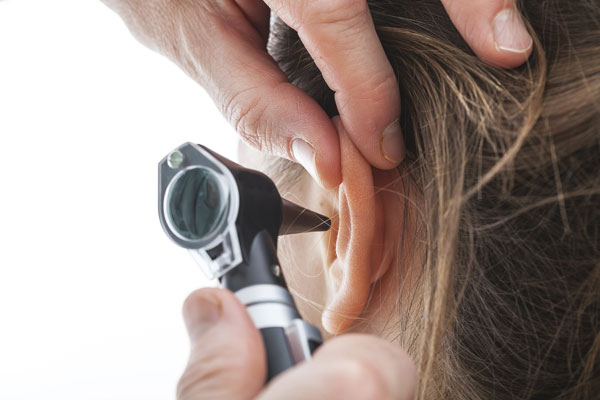
Following the case history, our audiologist performs an otoscopic examination, using a lighted instrument to visually inspect your ear canal and eardrum. This examination identifies earwax buildup, infections, structural abnormalities, or other conditions that might affect your hearing or require medical attention. If excessive earwax blocks your ear canal, we can safely remove it before proceeding with testing.

The hearing evaluation itself takes place in our soundproof booth where you’ll wear comfortable headphones. Pure tone audiometry, the foundation of hearing testing, presents sounds at various frequencies and volumes to determine the softest tones you can detect. You’ll respond by pressing a button or raising your hand when you hear each sound, even if it’s very faint. This test creates your audiogram—a visual representation of your hearing sensitivity across all frequencies.

Speech audiometry evaluates your ability to understand words at different volume levels. Our audiologist will present words through your headphones, and you’ll repeat what you hear. This assessment reveals how well you comprehend speech, which often differs from your ability to simply detect sounds. Many people with hearing loss can hear someone talking but struggle to understand the words—speech testing identifies this common challenge.

Tympanometry measures middle ear function by changing air pressure in your ear canal while monitoring eardrum movement. This quick, painless test detects fluid buildup, eustachian tube dysfunction, or other middle ear problems that may contribute to hearing difficulties. Acoustic reflex testing evaluates the protective muscular response to loud sounds, providing additional diagnostic information about your auditory system.

Types of Hearing Tests We Perform

Our comprehensive hearing test Spring TX services include multiple assessment types providing a complete picture of your auditory health. Pure tone audiometry tests both air conduction (sound traveling through your ear canal) and bone conduction (sound vibrations transmitted through skull bones directly to your inner ear). Comparing these results helps identify whether hearing loss originates in the outer/middle ear or inner ear/auditory nerve. Speech recognition testing evaluates your ability to understand words in quiet and noisy environments. Speech-in-noise testing particularly helps determine how well you'll function in real-world situations like restaurants, parties, or crowded venues where background noise makes communication challenging. These results guide hearing aid programming and communication strategy recommendations. Otoacoustic emissions (OAE) testing measures sounds produced by your inner ear hair cells in response to stimulation. This objective test requires no response from you and provides valuable information about cochlear function. OAE testing helps differentiate between different types of hearing loss and proves particularly useful when testing young children or individuals who cannot provide reliable behavioral responses. For specialized cases, we offer extended high-frequency audiometry testing frequencies above standard ranges, tympanometry with multiple probe tones, and reflex decay testing. Our audiologist determines which tests are appropriate based on your symptoms, case history, and initial findings, ensuring comprehensive evaluation tailored to your specific situation.
How Long Does a Hearing Test Take? Hearing Test Take?

A complete hearing test appointment in Spring, TX typically takes 45 to 60 minutes. This includes case history discussion, otoscopic examination, all diagnostic testing, results review, and discussion of recommendations. Your first appointment may require slightly more time as our audiologist gathers detailed background information and addresses all your questions and concerns.

The actual testing portion usually takes 20 to 30 minutes, though this varies based on the specific tests performed and how quickly you respond to stimuli. Our audiologist works at a comfortable pace, ensuring you understand instructions and feel relaxed throughout the process. There’s no rush—accuracy matters more than speed in hearing evaluations.

If hearing aids are recommended, your audiologist may demonstrate different styles and technologies during your appointment, adding 15 to 20 minutes. However, you’re never obligated to make decisions immediately. Many patients prefer to schedule a separate consultation to discuss hearing aid options after absorbing their test results.

Understanding Your Hearing Test Results

After completing your hearing test in Spring, TX, our audiologist will review your results using your audiogram and other test data. The audiogram plots your hearing thresholds across frequencies, showing where your hearing is normal and where loss exists. Hearing sensitivity is measured in decibels (dB), with lower numbers indicating better hearing and higher numbers reflecting greater hearing loss. Hearing loss classifications include normal hearing (0-25 dB), mild hearing loss (26-40 dB), moderate hearing loss (41-55 dB), moderately severe hearing loss (56-70 dB), severe hearing loss (71-90 dB), and profound hearing loss (91+ dB). Your audiologist explains what your specific results mean for daily communication and what solutions might help. We'll also identify your hearing loss type: sensorineural (inner ear or nerve damage), conductive (outer or middle ear problems), or mixed (combination of both). This distinction is crucial because treatment approaches differ. Conductive losses may respond to medical treatment, while sensorineural losses typically require hearing aids or other amplification devices. Your audiogram shows configuration—whether hearing loss affects primarily high frequencies (common in noise-induced and age-related hearing loss), low frequencies, or all frequencies equally. Speech testing results reveal how hearing loss impacts your ability to understand conversations, helping predict hearing aid benefit and guiding device selection.

When Should You Schedule a Hearing Test in Spring, TX?

Adults should have baseline hearing tests by age 50, followed by evaluations every two to three years. However, certain symptoms warrant immediate hearing test appointments regardless of age. Schedule a hearing evaluation if you frequently ask people to repeat themselves, have difficulty understanding conversations in noisy environments, turn up television or radio volume excessively, or experience ringing, buzzing, or fullness in your ears.

Sudden hearing loss in one or both ears requires urgent evaluation. If you wake up with decreased hearing, lose hearing following loud noise exposure, or experience sudden changes after illness or injury, contact our office immediately. Some causes of sudden hearing loss respond well to prompt medical treatment, making early evaluation critical.

Individuals with noise exposure from occupational or recreational sources benefit from regular hearing monitoring. If you work in construction, manufacturing, aviation, or military environments, or enjoy shooting sports, concerts, or loud music, annual hearing tests help detect early changes before significant damage occurs. Protecting your remaining hearing becomes easier when you catch deterioration early.

Family members often notice hearing difficulties before the individual experiencing them. If loved ones express concern about your hearing, take their observations seriously and schedule a hearing test appointment in Spring, TX. Third-party perspective often provides valuable insight into communication challenges you may have adapted to without realizing.

Hearing Test Cost and Insurance Coverage

Many insurance plans cover diagnostic hearing tests when medically necessary, especially when ordered by a physician. Medicare Part B covers 80% of diagnostic hearing and balance exam costs after you meet your deductible, though Medicare doesn't cover hearing aids themselves. Medicare Advantage plans may offer additional hearing benefits including hearing aid coverage. At Clear Choice Hearing Center, we accept most major insurance plans and verify your benefits before your hearing test appointment. Our staff will explain your coverage, any copays or deductibles, and out-of-pocket costs so you understand your financial responsibility upfront. We believe cost concerns should never prevent someone from getting needed hearing evaluations. For patients without insurance coverage, we offer competitive self-pay rates for hearing tests. The investment in comprehensive diagnostic evaluation provides valuable information about your hearing health and guides appropriate interventions. Many patients find that addressing hearing loss early prevents more serious problems and expenses later.

Preparing for Your Hearing Test Appointment

Preparing for your hearing test in Spring, TX is simple and straightforward. Avoid loud noise exposure for at least 14 hours before your appointment, as recent noise exposure can temporarily affect hearing thresholds and distort results. If you work in noisy environments, schedule morning appointments when possible or ensure adequate quiet time before testing.

Bring a list of current medications, as some drugs can affect hearing. If you wear hearing aids, bring them to your appointment along with any previous hearing test results for comparison. Consider bringing a family member or friend who can provide additional perspective on your hearing difficulties and help remember information discussed during your appointment.

On the day of your hearing test appointment, clean your ears normally but don’t use cotton swabs inserted into the ear canal, which can push wax deeper. If you’re experiencing cold symptoms, sinus congestion, or ear infections, consider rescheduling as these conditions can temporarily affect test results. Clear Choice Hearing Center maintains flexible scheduling to accommodate rescheduling needs.

Advanced Technology for Accurate Hearing Evaluations

Clear Choice Hearing Center invests in cutting-edge diagnostic technology ensuring precise, reliable hearing test results. Our sound-treated testing booth meets ANSI standards for ambient noise levels, eliminating external sounds that could interfere with threshold measurements. Calibrated annually, our audiometric equipment maintains accuracy within strict tolerances required for clinical diagnostics.

Video otoscopy allows you to view your ear canal and eardrum on a screen during examination, enhancing understanding of any visible conditions. High-resolution images become part of your permanent record, enabling comparison during future appointments to track changes over time. This technology improves patient education and clinical documentation.

Real ear measurement equipment verifies hearing aid performance when devices are fit, measuring actual sound levels reaching your eardrum rather than relying solely on manufacturer specifications or generic programming. This objective verification ensures your hearing aids deliver appropriate amplification for your specific hearing loss and ear canal characteristics.

Schedule your hearing test appointment in Spring, TX today and take the first step toward better hearing. Contact Clear Choice Hearing Center to book your comprehensive evaluation with our experienced audiologist.

Call today to schedule your hearing test!

Frequently Ask Questions

How much does a hearing test cost in Spring, TX?

Hearing test costs vary based on testing complexity and insurance coverage. Many insurance plans cover diagnostic hearing evaluations when medically necessary. Medicare Part B covers 80% of diagnostic hearing tests after meeting your deductible. We verify benefits before your appointment and offer competitive self-pay rates for those without coverage.

Yes, hearing test appointments ensure our audiologist provides dedicated time for comprehensive evaluation without rushing. Appointments prevent long wait times and allow proper preparation of testing equipment and facilities. Call Clear Choice Hearing Center to schedule at your convenience.

No, hearing tests are completely painless and non-invasive. You’ll wear comfortable headphones, listen to various sounds, and respond when you hear them. Some tests involve gentle pressure changes in your ear canal, which may feel slightly unusual but never painful.

A comprehensive hearing test appointment typically takes 45-60 minutes, including case history discussion, ear examination, testing, and results review. The actual testing portion takes about 20-30 minutes. We never rush—accuracy and thorough evaluation are priorities.

Clear Choice Hearing Center provides diagnostic hearing evaluations, which most insurance plans cover partially or completely. While we don’t offer “free” screenings, insurance coverage means many patients pay little to nothing out-of-pocket. Comprehensive diagnostic testing provides far more valuable information than basic free screenings at retail stores.

Scroll to Top